
There is something lovely about seasonal decorating. A bowl of pumpkins on the porch. Fresh flowers in spring. A wreath at Christmas. A few strategically placed throw blankets when the temperature finally drops below 80 degrees.
But what if your home didn’t need to be redecorated every few months to feel right?
The best seasonal home design starts long before the decorations come out of storage. It begins with the architecture itself: the way rooms connect, where windows are placed, how outdoor spaces are used, where the family naturally gathers, and how the home responds to changes in weather and daylight.
A home designed well for every season doesn’t necessarily look different in January than it does in July. Instead, it lives differently.
And in a place like Cornelius, NC, where we get a little bit of everything throughout the year, that matters.
Design for the Seasons You Actually Have
Living in the Charlotte area means our seasons can be somewhat… enthusiastic.
Summer can bring heat and humidity. Fall arrives with cooler evenings and beautiful weather for being outside. Winter may be mild, but there are still plenty of days when everyone wants to be inside. Spring brings glorious outdoor weather along with the occasional reminder that nature has a sense of humor.
That variety creates an opportunity for architecture to do more than simply shelter us from the elements.
A well-planned home can make it easier to move between indoor and outdoor living. It can provide cozy spaces for cooler months without making the house feel closed off during warmer ones. It can capture pleasant breezes, take advantage of changing daylight, and give everyone options for where to spend time.
The goal isn’t to design four different homes.
It’s to design one home that knows how to change with the calendar.
Let the Porch Do Some Heavy Lifting
Few architectural features are as naturally seasonal as a good porch.
A covered porch can become an outdoor living room in spring and fall, a shady retreat during summer, and a sheltered spot for enjoying a crisp winter afternoon when the weather cooperates.
The details matter, though.
Ceiling fans can make warm months more comfortable. Comfortable furniture encourages people to actually use the space. Screens can extend the number of months you can enjoy it. Thoughtful lighting makes the porch useful after sunset. Durable materials help it survive the realities of North Carolina weather.
Even the connection between the porch and the interior matters.
A porch that feels like an afterthought may be pretty, but one that connects naturally to the kitchen, living room, or dining area becomes part of the home’s everyday circulation.
That is where architecture starts earning its keep.
Create Transitions Instead of Hard Stops
Some of the most useful spaces in a home are the ones that sit between one environment and another.
Think screened porches, mudrooms, covered patios, sunrooms, vestibules, breezeways, and generously sized entry areas.
These transitional spaces can make a home feel more comfortable throughout the year because they soften the shift between indoors and outdoors.
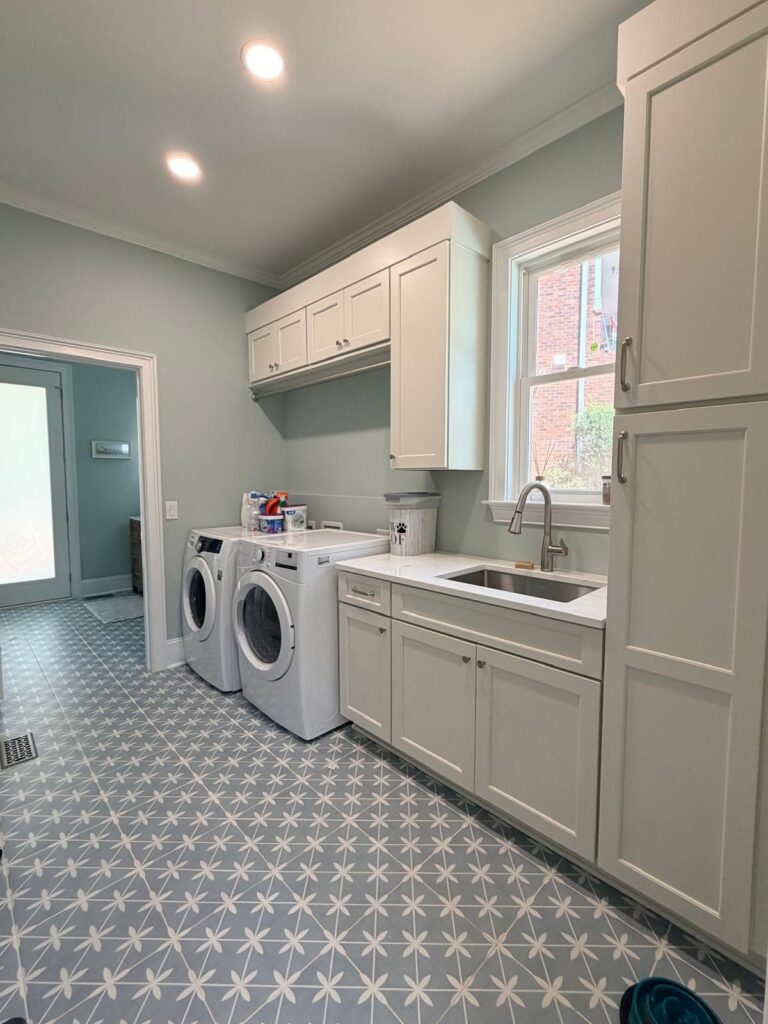
A mudroom, for example, isn’t just a place for shoes and backpacks. It can be the buffer between muddy spring gardens, wet summer thunderstorms, crisp fall afternoons, and whatever winter decides to throw at you.
Likewise, a screened porch can act as a middle ground between the air-conditioned house and the backyard. You aren’t quite inside. You aren’t quite outside. And sometimes that is exactly where you want to be.
Good design understands that life doesn’t happen exclusively in one room at a time.
Think About How Rooms Change With the Weather
A room doesn’t have to have a single purpose all year long.
That doesn’t mean every space needs to become a home office, guest room, playroom, yoga studio, and occasional craft brewery. We’ve all seen the floor plans that apparently require a family of twelve to justify their existence.
Instead, consider how a room naturally changes based on the season.
A breakfast nook might become the sunniest morning gathering spot in winter. A living room might become the place for board games and movie nights when it’s too cold to be outside. During spring and fall, the same room might function as an easy transition point between indoor and outdoor gatherings.
Even furniture placement can support this.
Rooms with flexible seating, clear circulation, and strong connections to adjacent spaces tend to adapt more easily. They don’t have to be completely redesigned every few months. They simply accommodate the way people naturally use them.
Windows Are Part of the Architecture, Too
Windows are often discussed in terms of views, natural light, or curb appeal. Their seasonal role deserves just as much attention.
The placement, size, and orientation of windows can influence how a room feels throughout the year.
In cooler months, sunlight can make a space feel warm and inviting. During warmer weather, thoughtfully placed windows can help connect a room to the landscape while allowing other strategies—such as overhangs, shades, landscaping, and appropriate glass—to manage heat and glare.
The view matters, too.
A window overlooking a garden, mature tree, or backyard doesn’t need to be decorated differently every season. The landscape outside does that naturally.
One month you may see spring foliage. Later, the view changes to deep summer green, then autumn color, then the quiet structure of winter.
That is seasonal decorating without the storage bins.
Design Outdoor Spaces for More Than Summer with Seasonal Home Design
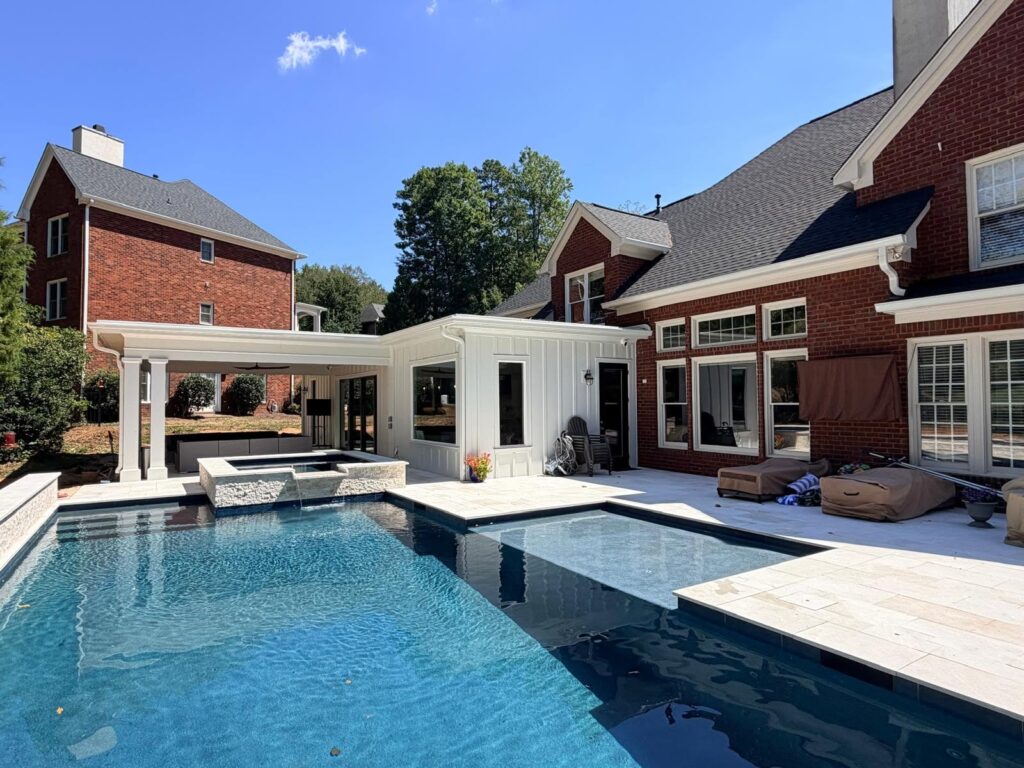
Outdoor living is often treated as a warm-weather feature, but a truly thoughtful outdoor space can stretch well beyond June, July, and August.
A fireplace or fire feature can extend the useful life of a patio. Covered areas provide protection from both sun and rain. Outdoor kitchens can support entertaining when the weather is pleasant. Comfortable seating encourages people to linger instead of treating the backyard as something you look at through the window.
Landscaping plays a role here, too.
A garden designed with year-round structure can provide interest even when everything isn’t blooming. Evergreen plants, interesting bark, ornamental grasses, trees, and seasonal perennials create a landscape that changes without ever feeling completely empty.
The result is an exterior that feels like part of the home rather than a separate project.
Build in Places to Retreat
A home that welcomes every season also needs places where you can escape the season.
Sometimes that means a cozy reading corner with a view of the garden. Maybe it’s a small den, a window seat, a screened porch, or a bedroom tucked away from the main living spaces.
During summer, you may want a cool, quiet place to retreat from the heat.
In winter, you may want the opposite: a snug room where everyone naturally gathers.
The architecture can support both.
Rather than making every room large and open, thoughtful renovation can create a mixture of spaces with different scales, views, and levels of privacy. That variety gives a home more ways to respond to real life.
Because sometimes the best room in the house is the one where nobody needs anything from you for ten minutes.
Consider the Way Your Home Connects to the Landscape
One of the easiest ways to make a house feel connected to the seasons is to stop treating the landscape as background scenery.
Architecture and landscape should work together.
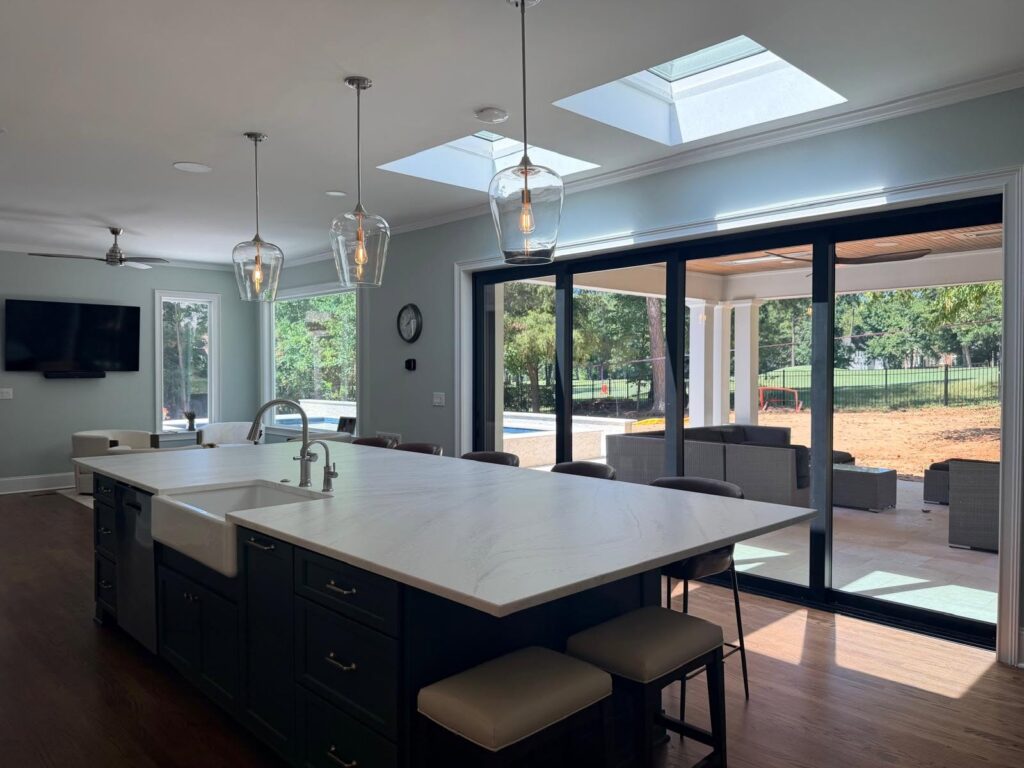
A kitchen might connect directly to a patio. A bedroom might overlook a private garden. A hallway might terminate at a large window with a view of mature trees. A porch might frame the backyard rather than simply attach to the side of the house.
These relationships can make seasonal changes feel like part of the home.
In Cornelius, NC, where established neighborhoods, wooded lots, lake views, and mature landscaping can all shape a property’s character, that connection becomes especially valuable. You don’t necessarily need more square footage. Sometimes you need a better relationship between the square footage you already have and the world outside it.
Renovate for the Calendar, Not Just the Floor Plan
When homeowners begin planning a renovation, the conversation often starts with a list of rooms.
We need a bigger kitchen.
Maybe we need a better primary bathroom.
We need a mudroom.
Or we need more storage.
Those are important questions. Yet there is another one worth adding:
How do we want this home to feel in January, April, July, and October?
That question can alter the renovation conversation considerably.
Instead of simply adding square footage, you might improve the connection between the kitchen and porch. Rather than creating another formal living area, you might create a flexible room that can serve different purposes throughout the year. A dark transition space might become a brighter connection to the backyard.
These decisions may not look dramatic on a floor plan. They can make a dramatic difference in everyday life.
A Home That Changes Without Constantly Being Changed Comes From Seasonal Home Design
There is a difference between seasonal decorating and seasonal design.
Decorating changes what you see.
Architecture changes how you live.
That doesn’t mean there is anything wrong with swapping out pillows, planting annuals, hanging wreaths, or bringing out the pumpkins. Please, by all means, keep the pumpkins. We’re not monsters.
It simply means the foundation of your home should be doing some of the work before the decorations ever arrive.
The most successful homes tend to have a sense of rhythm. They open up when the weather invites you outside. They become more intimate when the days grow shorter. They make room for gathering, retreat, work, rest, and everything in between. That kind of adaptability doesn’t happen by accident. It comes from thoughtful planning, careful renovation, and an understanding of how a family actually lives throughout the year.
Designing for Life Beyond One Season
For homeowners considering a renovation in Cornelius, NC, the opportunity isn’t simply to create a beautiful kitchen, add a porch, or rework a floor plan. It’s to think about how those changes will serve the home across an entire year.
At Two Chicks Homes, that kind of thinking is part of the process. The goal isn’t to create a house that looks perfect for one season. It’s to create a home that continues to feel comfortable, connected, and useful as the weather, and your life, changes.
Because the best homes don’t need a seasonal makeover.
They already know how to welcome the season.